Welcome to sarah's Little Hearts

When Behavior Is a Cry for Help: Understanding Children’s Big Feelings
Children’s behavior is often an expression of emotions they don’t yet have the words for. What looks like defiance, disruption, or unkind behavior may actually be signs of overwhelm, stress, sensory overload, or fatigue. This blog post helps parents, caregivers, and teachers understand children’s behavior as communication, offering practical ways to support emotional regulation with patience and compassion. Rooted in biblical truth, it encourages responding to children’s big feelings with grace, understanding, and Christ-like love.
Sarah Atwell
1/17/20262 min read
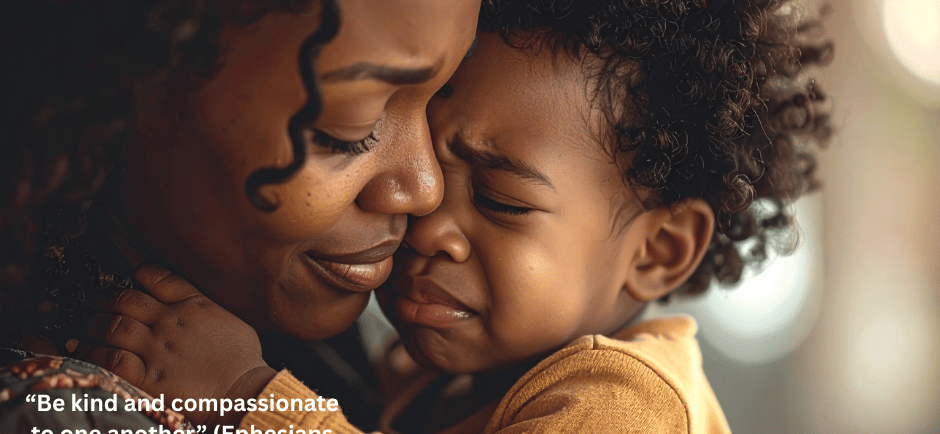
Children don’t always have the words to explain what’s happening inside them. Instead, they show us through their behavior.
What appears to be defiance, disruption, or unkindness is often a sign that something deeper is at work. A child may be overwhelmed by noise, bright lights, or a busy room. They may be tired, hungry, worried, overstimulated, or carrying big emotions they don’t yet know how to name. Their behavior is not a plan to be difficult. It is a form of communication.
Children feel deeply. When their world feels too loud or too fast, their bodies react before their words can catch up. Scripture reminds us of this tender reality:
“Be kind and compassionate to one another” (Ephesians 4:32).
Compassion begins with understanding.
Instead of asking, “Why are they acting like this?” it helps to ask, “What might they be trying to tell me?” When we pause and look beneath the behavior, we often discover a child who needs safety, rest, reassurance, or connection.
Jesus modeled this kind of gentle care. He welcomed children when others saw them as interruptions. He understood their value and met them with patience and love (Mark 10:14). In the same way, we are invited to slow down and respond with grace.
Ways to Support Children Through Big Emotions
Create calm spaces. Reduce noise, dim lights when possible, and offer quiet moments. Even small changes can help a child regulate.
Name feelings for them. Saying, “It looks like you’re feeling overwhelmed,” helps children learn emotional language.
Offer connection before correction. A calm voice, eye contact, or a gentle presence can settle a child more than quick discipline.
Allow rest and breaks. Tired bodies struggle to behave well. Rest is not a reward; it’s a need.
Pray with and for them. Invite God into their emotions and model turning to Him in challenging moments.
God understands our limits and children’s hearts.
“He knows how we are formed; He remembers that we are dust” (Psalm 103:14).
When we respond to children with patience instead of frustration, we reflect God’s heart to them. Behavior may grab our attention, but compassion is what brings healing. Seeing behavior as communication helps children feel seen, safe, and deeply loved.
(Check out my shop for a free PDF that follows this article!)